Identify and Fix Common Washer Noise Issues Yourself
A noisy washer can be a real headache. The clunks, bangs, and whirs may have you worrying about costly repairs. But before you call a technician, it’s worth trying to troubleshoot the issue yourself. Many common noise problems are simple enough for anyone to identify and even fix without professional help. This guide will walk you through some steps to diagnose and resolve these sounds, potentially saving you time and money.
Understanding Common Causes of Washer Noise
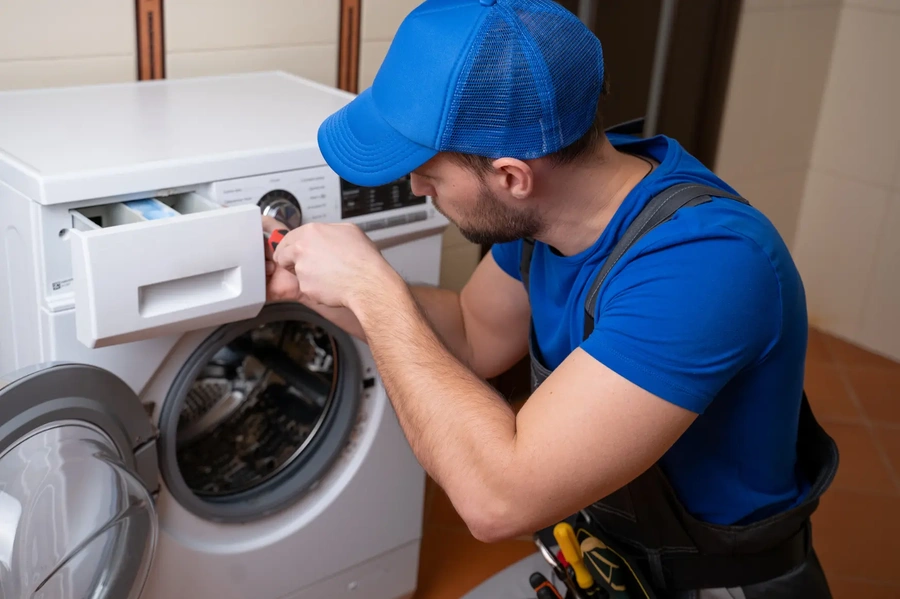
Washer noises can stem from various sources. Understanding them is key to finding a solution. Often, unbalanced loads cause banging sounds as the drum hits the sides. Loose parts like screws or belts often result in rattling noises. Foreign objects such as coins left in pockets can lead to unexpected clunks during operation. Identifying these causes is the first step in reducing noise without needing a washer repair service.
Addressing Unbalanced Loads
An unbalanced load is one of the easiest problems to solve. When your clothes bunch up on one side, it throws off the balance. To fix this, stop the machine and redistribute the items evenly around the drum. Make sure not to overload your washer as this exacerbates the issue. By keeping loads balanced, you prevent excess wear and extend the life of your appliance.
Inspecting for Foreign Objects
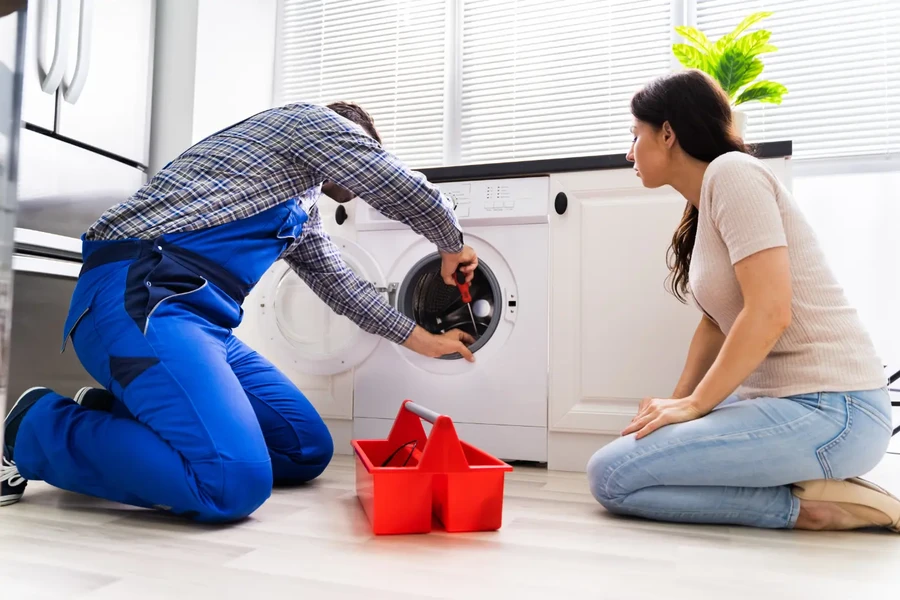
Foreign objects can create significant noise during washing cycles. Check inside the drum and filter regularly for any stray items. Coins, buttons, or small toys left in pockets often end up making their way into these areas. Removing them promptly can save you from having to contact a washer repair service later on. Regular checks keep your machine running smoothly and quietly.
Checking and Tightening Loose Parts
Sometimes washers become noisy due to loose parts. Components like nuts, bolts, or belts can loosen over time. Inspect these parts periodically and tighten anything that seems out of place. If you’re unsure how to do this safely, consult your machine’s manual for guidance. Keeping parts secure minimizes noise and helps maintain optimal functionality.
Using Maintenance Tips to Prevent Future Issues
Preventive maintenance goes a long way in avoiding noise problems. Always use the appropriate amount of detergent; too much can cause excessive suds and strain on the motor. Clean your washer’s filter often to ensure smooth operation. Scheduled maintenance prolongs appliance life and reduces the need for frequent troubleshooting.
- Balance your loads correctly
- Regularly check for foreign objects
- Tighten any loose components
- Use correct detergent amounts
- Clean filters frequently
Evaluating When to Call A Professional
If you’ve attempted all troubleshooting steps without success, it might be time to consider professional help. Persistent noise could indicate more severe issues like motor problems or worn-out bearings that require specialized attention. A trained technician can assess and resolve these complex problems efficiently.
Final Steps for Peaceful Laundry Days
Tackling washer noise doesn’t always require expert intervention. By identifying root causes and applying straightforward fixes, you can often restore quiet operation yourself. However, persistent issues should be examined by professionals to avoid further damage. Located in St. Augustine, FL, we at Specialist Appliance Repair offer expert solutions tailored to your needs. Contact us at (904) 491-8833 for comprehensive support.